
Walk into a modern wellness lounge, counseling clinic, or recovery corner inside a medical facility, and you’ll notice something that wasn’t common a few years ago: lighting is no longer an afterthought. It’s becoming part of the experience design. Not “mood lighting” in the decorative sense, but structured lighting that’s intended to support calm focus, daytime clarity, and a more stable day-night rhythm.
That’s where the 40Hz full-spectrum healing light fits in. On the surface, it looks like a floor lamp—clean, minimal, easy to place next to a chair. But the idea behind it is more intentional: it combines high-quality full-spectrum illumination (the kind that’s closer to daylight) with a 40Hz rhythmic mode that comes from a newer track of neuroscience research.
This article is written as a science-based explainer for dpbeautyfurniture.com readers—distributors, clinic project buyers, wellness brands, and space designers—who want a layered understanding of the product: what it is, where the concept came from, how it works, and how professionals use it in real spaces.
A 40Hz healing light is best described as a full-spectrum floor lamp engineered around two goals: consistent bright illumination and controlled operating logic. In practical terms, it usually includes adjustable color temperature (so you can move between warmer and cooler light), high brightness capability (often discussed in the “bright light therapy” range), and a 40Hz mode that introduces rhythmic stimulation rather than constant light output.
When professional buyers evaluate this category, the decision rarely comes down to “Is it bright?” The real question is: can it deliver light in a way that is measurable, repeatable, and comfortable enough that people actually use it? That’s why specs like high color accuracy (high CRI), blue-light safety rating (RG0 level), and stable physical structure matter as much as the 40Hz feature. For clinics and wellness spaces, “safe, comfortable, and consistent” tends to win over “extreme” settings that look impressive on paper but don’t work in daily routines.
To understand why these lamps exist, it helps to see them as the intersection of two timelines.
The first timeline is older and widely recognized: bright light therapy. Long before “wellness tech” became trendy, bright light exposure was discussed as a way to support circadian rhythm—essentially reinforcing a strong “daytime signal” for the body. That’s why many bright light protocols emphasize using the light earlier in the day, especially in environments with limited natural daylight. In a commercial setting, this translates into a simple design rule: create a daytime-friendly lighting zone that helps people feel more awake and aligned.
The second timeline is newer and more research-driven: 40Hz rhythmic stimulation. In neuroscience, 40Hz sits in the “gamma” range of brain rhythms—often discussed in relation to attention, information processing, and cognitive activity. Research in this area explored whether rhythmic sensory input (like flickering light) could influence the synchronization of neural activity. That research track is still developing, and responsible brands avoid turning it into exaggerated medical promises. But it has influenced product design: manufacturers began building lamps that can deliver a controlled 40Hz mode for structured sessions.
So when you see a lamp marketed as “40Hz healing light,” it’s not one single theory. It’s a combination: the established practice of bright light exposure plus a newer “gamma rhythm” concept implemented as a controlled mode inside a full-spectrum lighting product.
Most confusion around this product category comes from a simple mistake: people talk about it like it’s medicine. It’s not. A more accurate frame is that it’s an environmental tool—like soundproofing, temperature control, or ergonomic seating—that supports how a space feels and how people function in it.
From a practical perspective, the lamp works through two pathways.
The first pathway is circadian signaling. Bright, daytime-leaning light can help reinforce the body’s sense of time, especially in winter months, windowless rooms, or regions where daylight hours are short. This is why many operators prefer placing the lamp in a daytime lounge corner rather than using it as an evening ambient light. Timing is not a detail—it’s the difference between “helps people feel steady” and “makes people feel overstimulated.”
The second pathway is rhythmic stimulation at 40Hz. In plain English, the 40Hz mode introduces a structured rhythm into the light output. The intention is not to “flash aggressively,” but to offer a controlled session format that aligns with ongoing research interest in gamma rhythm synchronization. This is also why professional setups emphasize session control. In real facilities, staff prefer tools that can be used in consistent time blocks, not something that runs at full intensity all day.
In product marketing, you’ll see many broad promises. In real purchasing decisions, outcomes are more grounded. Most clinics and wellness operators care about three use cases: daytime clarity, mood support in low-daylight environments, and sleep-rhythm discipline through better daytime exposure.
Daytime clarity is the simplest to understand. A bright, high-quality light zone can be used as a reset point—especially in settings where clients wait, decompress, or prepare mentally for therapy or treatment. In practical terms, it’s often positioned as a short daytime session that helps people feel more “awake and steady,” without relying on caffeine or a high-stimulation environment.
Mood support is commonly discussed in facilities that serve clients who are sensitive to seasonal shifts or spend long hours indoors. The goal isn’t to claim treatment—it’s to create a space that feels less heavy and more naturally lit. In wellness and counseling settings, lighting that feels closer to daylight can influence the perceived comfort of the room, which matters for client experience and retention.
Sleep-rhythm support is where timing becomes essential. Many operators treat the high-brightness function as something used earlier in the day, then reduce brightness later. This is why tunable color temperature is more than a “nice feature.” Warm, softer light is often preferred later in the day, while brighter, cooler modes are used in morning and daytime routines. In a professional environment, the lamp becomes part of a “daytime protocol corner,” not a general lamp that’s always running at maximum output.
The most credible sign that a wellness lighting product has matured is where it gets placed. This category is increasingly used as part of environmental support in medical and wellness environments, not just personal home setups.
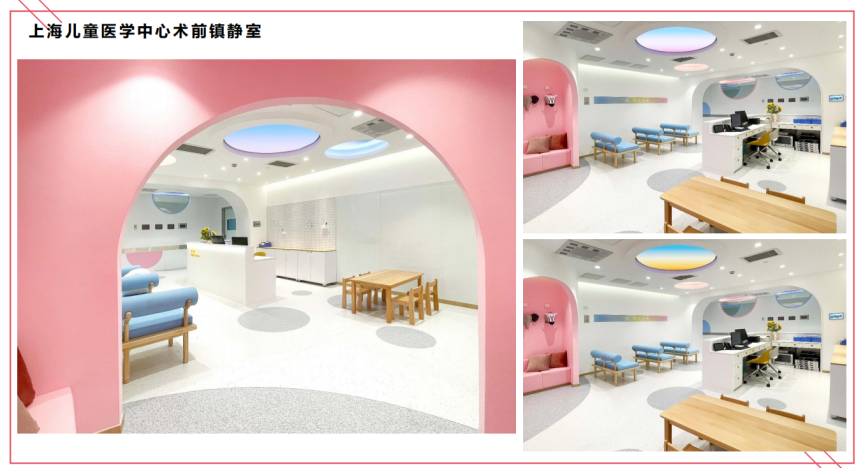
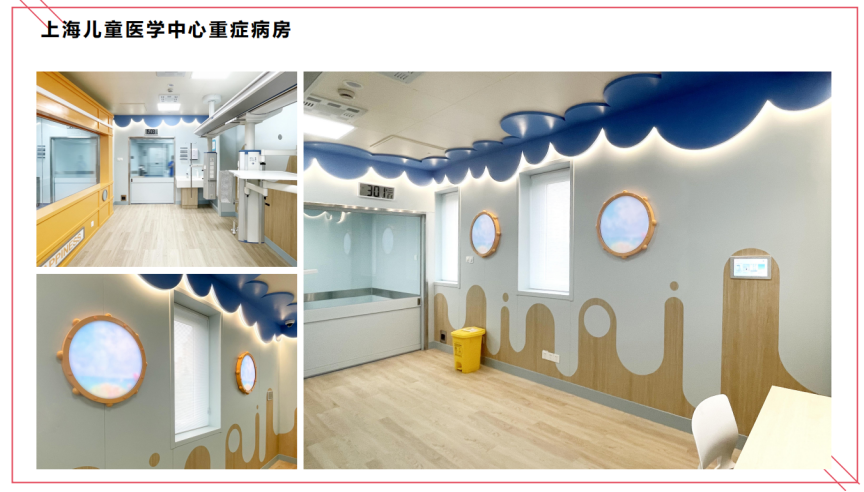
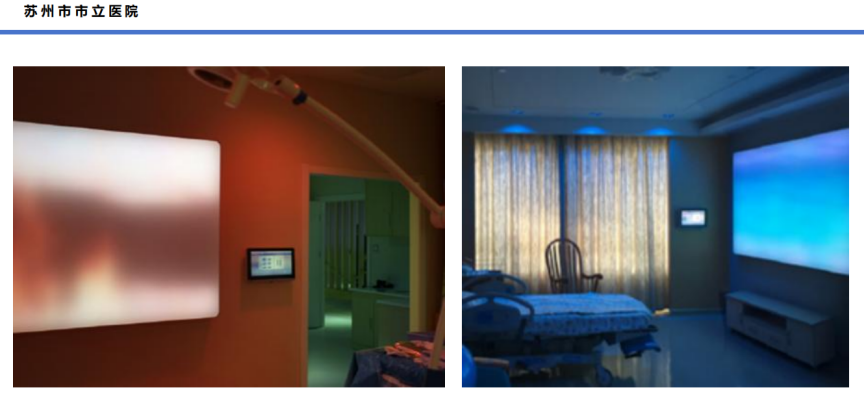
In mental health and counseling environments, lighting is often treated as part of comfort design—helping rooms feel less clinical and more stable. In rehabilitation or long-stay settings, a bright, natural-feeling light zone can serve as a daytime anchor for people who spend many hours indoors. In public wellness areas or hospital waiting zones, a structured “calm corner” can reduce the feeling of chaos without adding noise or overly stimulating décor.
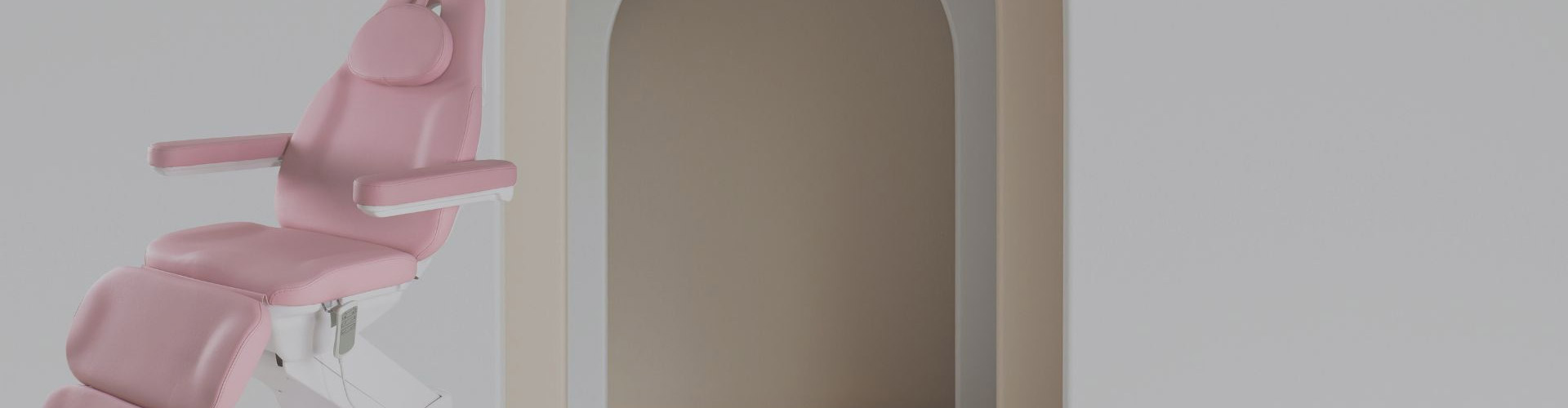
It’s also common to pair the lamp with a dedicated chair or recliner. The chair provides the physical relaxation. The lamp provides the environmental rhythm. Together, they create a repeatable user experience that is easy to explain: sit, use the light in a controlled session, then return to daily routines.
For distributors, this pairing becomes a complete “solution” rather than a single item sale—which is often the difference between selling one unit and supporting a project order.

If you’re a distributor or project buyer, you already know that clients don’t buy specs—they buy outcomes. But specs still matter because they predict whether the outcome is achievable in the real world.
High color accuracy (high CRI) matters because it makes the light feel natural and comfortable. Low-quality bright light can feel harsh or artificial, which leads to low usage. RG0 blue-light safety rating matters because facilities need a conservative, standardized safety posture when placing lighting products in rooms where people may sit for extended periods. A large panel and stable physical structure matter because the light needs to cover a seating area evenly, without glare and without constant repositioning by staff.
In other words, professional buyers look for “deployment readiness.” The best lamp is not the one with the most dramatic marketing. It’s the one that staff can place once, operate consistently, and include in a simple routine without complaints.
A common failure point is treating the lamp like a decorative floor light. In professional settings, it performs best when it’s installed as a “protocol corner.”
Start with placement. Put the lamp beside a stable chair or recliner in a quiet area. Avoid positioning that causes glare directly into the eyes. The goal is comfortable exposure, not a harsh spotlight.
Then standardize the routine. Facilities typically prefer shorter, consistent sessions rather than “as long as you want.” A structured session is easier for staff to manage and easier for clients to accept. Timing matters: most operators place the “stronger” session earlier in the day and keep evenings softer. If your space runs late-night services, you can still keep the lamp as a daytime tool for staff routines or morning appointments.
Finally, plan for individual comfort. Not everyone tolerates high brightness the same way. A product with adjustable brightness and tunable color temperature is easier to deploy across different clients and environments because it doesn’t force a one-size-fits-all setting.
When you treat it as a simple system—chair + lamp + controlled routine—you get higher usage, better feedback, and fewer misunderstandings.
This product is designed for wellness environments and comfort-focused routines. It is not intended to diagnose, treat, cure, or prevent any disease. For clinical populations or special conditions, facilities should follow professional guidance and adopt conservative operating protocols.


"*" indicates required fields


