
A SPA bed is one of the most heavily used pieces of equipment in a treatment room. It is in direct contact with clients every day, supports the technician during service, and affects both hygiene standards and the overall professional feel of the space. Because of that, a SPA bed should not be treated like ordinary furniture. It is a working piece of equipment with upholstery, moving parts, electrical functions, controls, and connection points that all need the right kind of care.
In real salon and spa operations, most early wear does not come from age alone. It usually comes from a few repeated habits: cleaning with products that are too harsh, letting moisture sit too long, pulling on cables, ignoring small signs of abnormal operation, or waiting until something stops working before checking the bed at all. The good news is that these are all preventable.
If the goal is to keep a Dongpin SPA bed clean, stable, comfortable, and reliable for a longer period of time, maintenance should be simple, consistent, and practical. The best results usually do not come from occasional heavy cleaning. They come from correct daily care, regular inspection, and early action when something feels wrong.
The first rule is simple but essential: always disconnect the power before cleaning or checking the bed.
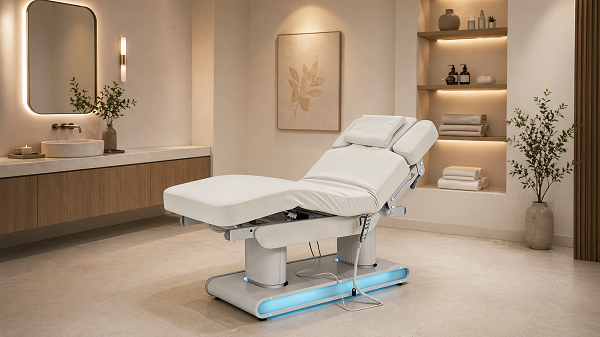
A Dongpin SPA bed is not only a padded surface. It may include electric lifting, backrest adjustment, leg adjustment, heating, ambient lighting, a hand control, and internal connection systems. Even when the bed looks still and safe from the outside, it should never be cleaned while plugged in. This is especially important in busy treatment rooms where staff may want to wipe the bed quickly between clients and move on immediately.
The correct habit is straightforward. Power off the bed first, unplug it, then begin surface cleaning. After cleaning, the bed should remain unplugged until all areas are fully dry. This matters most around the hand control, cable entry points, seams, and lower frame areas where moisture may collect without being obvious at first glance.
This one step does two things at the same time: it reduces unnecessary safety risk, and it prevents moisture from affecting the control system during routine care.
A common mistake in treatment-room maintenance is assuming that stronger cleaning automatically means better cleaning. In reality, many beds age faster because they are cleaned too aggressively, too wet, or with products that are too harsh for repeated use.
For metal and plastic areas, routine cleaning should be done with a soft cloth and a mild cleaning solution. If dust or treatment residue collects around edges or hard-to-reach corners, a small soft brush can be used to loosen it before wiping. What matters is controlled cleaning, not saturation. Liquid should never be poured directly onto the bed, especially around buttons, seams, plugs, or cable connections.
The bed surface needs even more care because it handles direct and repeated contact with oils, creams, masks, lotions, and other treatment products. Upholstery should be cleaned with a soft cloth and a cleaner suitable for upholstery or synthetic leather. Residue should be removed soon after treatment, not left sitting until a stronger product is needed later. Prompt cleaning is safer for the surface and more effective in the long run.
The same principle applies to disinfection. Alcohol-based or chlorine-based disinfectants may be used when appropriate, but they should always be used according to product instructions and in a controlled way. Overuse, heavy spraying, or repeated chemical build-up can gradually affect the surface, even when the intention is good.
A SPA bed should never be cleaned with high-pressure water, direct rinsing, or overly wet methods. It is equipment, not a washable fixture. Proper cleaning should leave the bed clean, dry, and intact, not stressed by the cleaning process itself.
Not every part of a SPA bed wears at the same speed. In real spa and salon environments, the first problems usually appear in the areas that are used most often, touched most often, or exposed to repeated stress throughout the day.
The upholstery is one of those areas. It absorbs the wear of constant contact, product exposure, cleaning cycles, and body pressure. If it is not cleaned properly and consistently, the surface may start showing marks, finish changes, or early wear long before the bed itself reaches the end of its functional life.
The hand control is another key maintenance point. Because it is used constantly during treatments, it should be kept clean, dry, and responsive. If the control begins to feel slow, sticky, damp around the edges, or inconsistent in response, that change should not be ignored. It may be an early sign that moisture, residue, or cable strain is beginning to affect normal operation.
Visible cables and plug connections also deserve regular attention. Many avoidable service issues begin with cords that are bent sharply, pulled too often, twisted repeatedly, or trapped under the frame. These habits do not always cause immediate failure, which is exactly why they are often overlooked. But over time, cable stress is one of the easiest ways to shorten the useful life of an electric bed.
If the bed includes heating or ambient lighting, these should also be treated as active maintenance checkpoints. Optional functions that stop working consistently are often an early signal that the bed needs inspection rather than continued normal use.
Maintenance is not only what happens after service. It is also built into how the bed is handled during service.
Rough daily use places unnecessary stress on the system. Electric functions should be adjusted smoothly, not pressed repeatedly in a rushed or forceful way. Moving quickly between lift, backrest, and leg functions again and again does not help the bed perform better. It only increases strain over time. A SPA bed is designed for regular adjustment, but it should still be operated with control.
The same applies to how the hand control and cables are treated during work. The control should never be dragged by its cord or left hanging where it can catch on shoes, carts, or other moving items in the room. Wires should not be pinched under the base or bent sharply for long periods. In a busy commercial setting, these small daily habits often decide whether the control system still feels dependable months later.
The operating environment also matters. If the bed is placed in a room with higher humidity, steam, heavy product use, or more frequent exposure to water, then drying and ventilation become part of maintenance too. A clean bed in a damp environment can still age faster than expected. Keeping the area around the bed dry and well-managed is part of protecting the bed itself.
Long service life comes from good daily treatment, not only from occasional care.
The best maintenance system is one staff can actually follow. It does not need to be complicated, but it does need to be consistent.
After each client, the bed should be wiped down, visible treatment residue should be removed, and the surface should be disinfected according to the hygiene needs of the business. This is the most important routine because it prevents build-up before it becomes harder to clean and more damaging to the surface.
On a weekly basis, the bed should be observed more carefully during use. Staff should notice whether the hand control responds normally, whether movements remain smooth, whether there is any unusual sound, and whether visible cables or plug areas look loose, damp, or stressed. These are not advanced technical checks. They are simple maintenance observations that help identify a problem early.
At regular intervals, a deeper check should also be done. This includes inspecting the upholstery condition, cleaning overlooked seams and contact points, confirming that heating or lighting functions still work normally, and checking that visible fittings remain secure. For beds in frequent daily use, longer-interval checks should also include the power cord, cable fixing, motor wiring, control connections, and the full adjustment range of the bed.
Just as important is knowing when routine care should stop and technical support should begin. If the hand control stops responding, if a motor no longer moves correctly, if heating fails, if ambient light stops working, or if the bed begins making unusual noise during adjustment, the bed should not continue to be used as normal. Power should be disconnected, an external check for obvious loose connections can be made, and after-sales support should be contacted if the issue remains.
That approach is better for safety, better for the equipment, and better for warranty expectations. Based on the Dongpin warranty information you provided, manufacturing materials and motors are covered for three years unless otherwise agreed, while wear parts such as the power cord are covered for one year. But misuse, improper installation, unauthorized repair, chemical damage, liquid damage, transport damage, and neglected maintenance are not the same as a product defect. Proper maintenance helps protect both the working condition of the bed and the logic behind normal after-sales support.
Q1: How often should a Dongpin SPA bed be cleaned?
A1: It should be wiped after each use and disinfected between clients. In busy treatment rooms, regular weekly observation and routine deeper inspection are also important.
Q2: What is the safest way to clean the upholstery?
A2: Use a soft cloth and a cleaner suitable for upholstery or synthetic leather. Remove oils, creams, and treatment residue promptly, and avoid harsh chemicals or rough scrubbing.
Q3: Can I spray disinfectant directly onto the bed?
A3: Heavy direct spraying is not recommended, especially near seams, controls, plug points, and cable areas. Controlled application with proper drying is the safer approach.
Q4: Can I clean a SPA bed with a lot of water?
A4: No. High-pressure water, direct rinsing, and overly wet cleaning methods should be avoided because the bed includes electrical and control components.
Q5: What should I do if the hand control or motor stops responding?
A5: Disconnect the power, stop using the bed, and check only for obvious loose external connections. If the issue continues, contact after-sales support rather than forcing operation or attempting unauthorized repair.
Q6: What shortens the life of a SPA bed the fastest?
A6: The most common causes are harsh cleaning, excess moisture, rough operation, repeated cable strain, and continued use after abnormal behavior has already started.
Q7: Can unauthorized repair affect warranty?
A7: Yes. Unauthorized repair may cause further damage and may also affect warranty eligibility. Technical repairs should be handled by authorized or experienced personnel.


"*" indicates required fields


