

Beauty trends in the U.S. and Europe are changing fast. A few years ago, many consumers were focused on dramatic transformations, heavy contouring, and highly visible cosmetic work. Today, the direction is different. People want to look healthier, more rested, and more confident — without looking overdone.
That shift explains why treatments like scalp facials, subtle injectables, regenerative skin treatments, RF microneedling, lymphatic drainage, body contouring, and skin barrier repair are getting so much attention. These services sit at the intersection of beauty, wellness, science, and lifestyle.
According to the American Society for Dermatologic Surgery, 70% of surveyed consumers said they were considering a cosmetic procedure, while nearly half said a provider’s social media presence influences whether they book an appointment. In other words, modern beauty trends are shaped not only by technology, but also by online education, visual content, and the desire for low-downtime results.
Below is a closer look at ten beauty and wellness treatments currently gaining traction in the U.S. and Europe — what they are, how they work, why they are becoming popular, and what benefits they may offer.
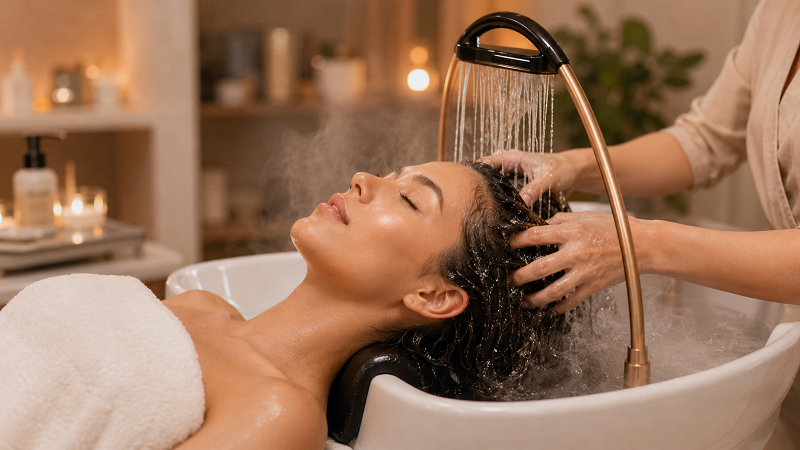
Head spa treatments, often called scalp facials, have become one of the most visually recognizable beauty trends on social media. Originally popular in Japan and other parts of Asia, the concept is now spreading across salons, spas, and independent wellness studios in the U.S. and Europe.
A typical head spa service may include scalp analysis, deep cleansing, exfoliation, warm water therapy, steam, scalp massage, conditioning masks, and sometimes shoulder or neck massage. The experience feels like a mix of a facial, a hair treatment, and a relaxation service.
The scalp is skin, and like facial skin, it can experience oil buildup, dryness, clogged follicles, irritation, and product residue. A scalp facial focuses on cleansing and rebalancing that environment.
Deep cleansing helps remove excess oil, sweat, dead skin cells, and styling product buildup. Exfoliation helps loosen flakes and debris. Steam or warm water can soften buildup and make the treatment more comfortable. Massage may support local circulation while relaxing the scalp, neck, and shoulders.
Some studios also use scalp cameras to show clients their scalp condition before the treatment. This makes the service feel more educational and professional.
Head spa treatments are extremely social-media friendly. The sound of running water, the visual of steam, the slow massage movements, and the calm treatment room atmosphere all create the kind of content that performs well on TikTok, Instagram Reels, and Pinterest.
There is also a broader lifestyle reason. Many consumers are looking for beauty services that help them feel better, not just look better. Stress relief, scalp health, and relaxation are all part of the appeal. AP News has reported on Japanese-style scalp treatments gaining attention in the U.S., with services often combining cleansing, conditioning, massage, and relaxation.
A head spa may help improve scalp cleanliness, reduce the feeling of buildup, refresh the hair and scalp, and create a deeply relaxing experience. It can also help clients become more aware of scalp care as part of their overall beauty routine.
However, it should not be positioned as a medical treatment for hair loss, alopecia, scalp infections, or serious dermatological conditions. For those concerns, clients should consult a dermatologist or medical professional.
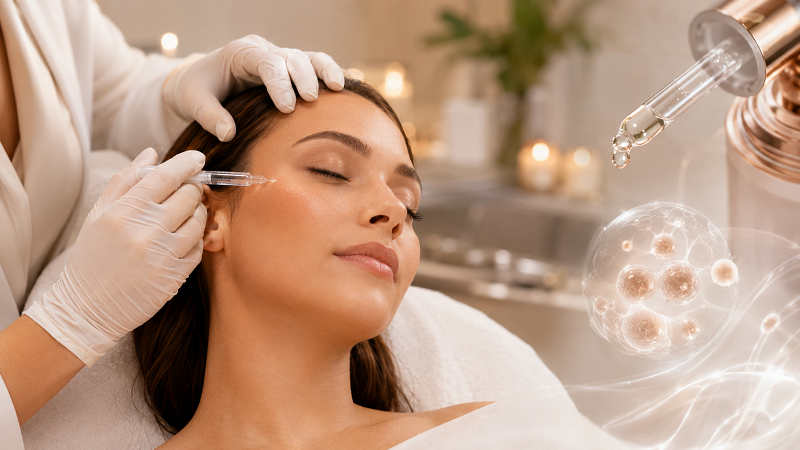
“Tweakments” is a popular term in the aesthetics world. It refers to small, subtle cosmetic treatments that refresh the face without dramatically changing it. These may include light Botox, small amounts of dermal filler, skin boosters, PRP, or other minimally invasive procedures.
The goal is not to look like a different person. The goal is to look rested, balanced, and naturally refreshed.
Different tweakments work in different ways.
Botox and other neuromodulators temporarily relax targeted facial muscles. This can soften dynamic wrinkles, such as forehead lines, crow’s feet, and frown lines.
Dermal fillers add volume or support in specific areas, such as the cheeks, lips, jawline, or under-eye area. In current U.S. and European aesthetics, the trend is moving away from heavy filler and toward lighter, more natural correction.
Skin boosters focus more on skin quality than facial shape. They may improve hydration, elasticity, and glow.
PRP, or platelet-rich plasma, uses components from a person’s own blood and is often used in skin rejuvenation or hair-related treatments.
Many consumers today want “natural-looking results.” They do not want friends or coworkers to immediately know they had something done. They simply want to look less tired, smoother, or more refreshed.
This trend is also connected to prejuvenation, a term often used for preventive aging treatments. Younger clients in their late 20s and 30s may choose light treatments before deeper wrinkles or more noticeable aging signs develop.
Tweakments are also convenient. Many are quick, require limited downtime, and fit into busy lifestyles.
Tweakments can soften fine lines, improve facial balance, restore mild volume loss, enhance skin hydration, and support a more refreshed appearance.
The key is moderation. The best results usually come from conservative treatment planning, realistic expectations, and a skilled provider who understands facial anatomy.
Regenerative aesthetics is one of the fastest-growing conversations in modern beauty and medical aesthetics. Instead of only filling lines or resurfacing the skin, regenerative treatments aim to support the skin’s own repair and rebuilding processes.
Common terms in this category include PRP, PDRN, exosomes, growth factors, peptides, and biostimulators. RealSelf’s Q1 2026 trend reporting also points to rising interest in regenerative aesthetics, skin rejuvenation, and treatments focused on long-term skin quality.
The core idea behind regenerative aesthetics is stimulation. These treatments are designed to encourage the skin to repair itself, produce collagen, improve elasticity, and rebuild healthier-looking tissue over time.
PRP uses platelet-rich plasma from the client’s own blood. It is commonly paired with microneedling or injected in certain aesthetic treatments.
PDRN is often discussed in connection with skin repair and “skin longevity.” It has become especially visible through Korean beauty and medical-aesthetic trends.
Exosomes are tiny extracellular vesicles involved in cell communication. In aesthetics, they are often marketed as supportive ingredients for repair and rejuvenation, especially after procedures such as microneedling or laser. However, the science and regulation around exosome products are still developing, and not every claim in the market is equally supported.
Biostimulators, such as certain collagen-stimulating injectables, work gradually by encouraging the body to produce more collagen.
Consumers are becoming more educated. Many are no longer satisfied with temporary surface-level results. They want better skin quality, improved texture, stronger elasticity, and longer-term improvement.
Vogue has also highlighted regenerative skincare as a major beauty direction, describing it as a shift from simple hydration or exfoliation toward ingredients and treatments that support repair, collagen, elastin, and deeper skin quality.
Regenerative treatments may help improve skin texture, firmness, elasticity, fine lines, acne scars, and overall radiance. The results are usually gradual rather than instant.
This category is best understood as long-term skin investment. It is less about a dramatic one-day transformation and more about helping the skin function and look healthier over time.
Energy-based treatments include RF microneedling, laser facials, IPL, ultrasound tightening, and radiofrequency skin tightening. These treatments use controlled energy to trigger a skin response.
They are popular because they sit between basic skincare and surgery. They can deliver more visible improvement than home skincare, but usually require less downtime than invasive procedures.
RF microneedling combines tiny needles with radiofrequency energy. The needles create controlled micro-injuries in the skin, while RF energy delivers heat into deeper layers. This process stimulates collagen and elastin production.
Lasers use specific wavelengths of light to target different skin concerns. Some lasers target pigmentation, some target redness, some resurface texture, and others support collagen remodeling.
IPL, or intense pulsed light, is commonly used for uneven tone, redness, and sun-related pigmentation.
Ultrasound or radiofrequency tightening treatments use energy to warm deeper tissue layers and support a firmer appearance over time.
Many people want noticeable improvement without surgery. Energy-based treatments can address texture, pores, pigmentation, acne scars, mild laxity, and early aging signs.
They also pair well with other modern trends, including regenerative serums, LED therapy, and skin booster programs. RealSelf and industry sources have pointed to growing interest in energy-based devices as consumers broaden their approach beyond traditional injectables.
These treatments may help improve skin firmness, texture, acne scars, enlarged pores, sun damage, mild pigmentation, and overall skin tone.
However, energy-based devices require proper training and careful client selection. Skin tone, sensitivity, medical history, and recent sun exposure all matter. When performed incorrectly, certain treatments can cause burns, pigmentation issues, or irritation.
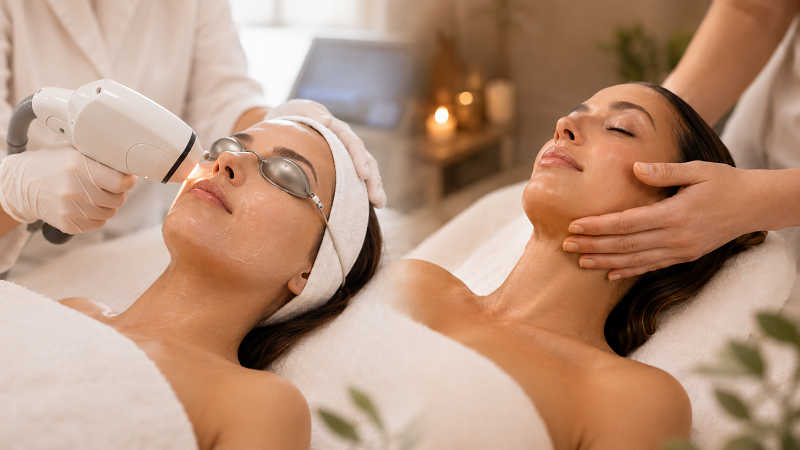
Lymphatic drainage, facial sculpting massage, buccal massage, and body sculpting massage are part of the growing wellness-meets-beauty movement. These services are often offered in spas, facial studios, massage studios, and post-op recovery spaces.
Unlike injectables or devices, these treatments rely heavily on technique, touch, rhythm, and pressure.
The lymphatic system helps move fluid and waste through the body. Lymphatic drainage massage uses gentle, directional movements to encourage fluid movement and reduce the appearance of puffiness.
Facial sculpting massage may combine lymphatic drainage, muscle relaxation, fascia work, and lifting techniques. Buccal massage, sometimes called intraoral facial massage, involves working from inside the mouth to release facial tension and shape the cheek area.
Body lymphatic massage may be used after travel, during wellness routines, or as part of post-surgical recovery when recommended by a professional.
This trend reflects a bigger shift toward beauty treatments that feel good and look good. Clients like that the treatment is non-invasive, relaxing, and often gives an immediate “less puffy” appearance.
It also performs well on social media. Before-and-after images of facial sculpting, jawline definition, and reduced puffiness are easy for audiences to understand.
Lymphatic drainage may temporarily reduce puffiness, improve the look of facial definition, support relaxation, and make the skin appear more refreshed.
It is important to be realistic. These results are usually temporary. Lymphatic massage cannot replace medical treatment for true swelling, lymphedema, serious fluid retention, or structural facial aging.
Final Takeaway
The beauty treatments trending in the U.S. and Europe are not just about looking younger. They are about looking healthier, feeling better, and choosing treatments that fit real life.
Head spa represents the rise of relaxation-based beauty.
Tweakments represent the demand for subtle, natural enhancement.
Regenerative aesthetics represents long-term skin quality.
RF microneedling and lasers represent technology-driven skin improvement.
Lymphatic drainage represents the connection between wellness and appearance.
The biggest beauty keywords right now are clear: natural-looking results, skin health, low downtime, wellness, personalization, and long-term care.
In short, the future of beauty is not about doing the most. It is about helping people look and feel like the best version of themselves — naturally, safely, and consistently.
American Society for Dermatologic Surgery — Consumer Survey on Cosmetic Dermatologic Procedures:
https://www.asds.net/medical-professionals/practice-resources/consumer-survey-on-cosmetic-dermatologic-procedures
AP News — Japanese-style scalp massages catching on in the U.S.:
https://apnews.com/article/f650da22fc3e25665f32b5e5e1b27685
RealSelf — Q1 2026 Real Talk Trend Report:
https://www.realself.com/news/real-talk-q1-2026
Vogue — 2026 Skincare Trends:
https://www.vogue.com/article/2026s-biggest-skincare-trends-to-try-now
Vogue — Regenerative Skincare:
https://www.vogue.com/article/regenerative-skincare
Byrdie — K-Beauty Ingredients Defining 2026 Skincare:
https://www.byrdie.com/trending-korean-skincare-ingredients-11984992


"*" indicates required fields


